Cairns to Townsville
19 – 24 October
A Cassowary is a large flightless bird which supposedly roams the tropical rain forests in the far north of Queensland. Think an emu on steroids (citation needed). Given our past success with seeing rare Australian wildlife we were quietly confident we would come across one somewhere down the Cassowary Coast.
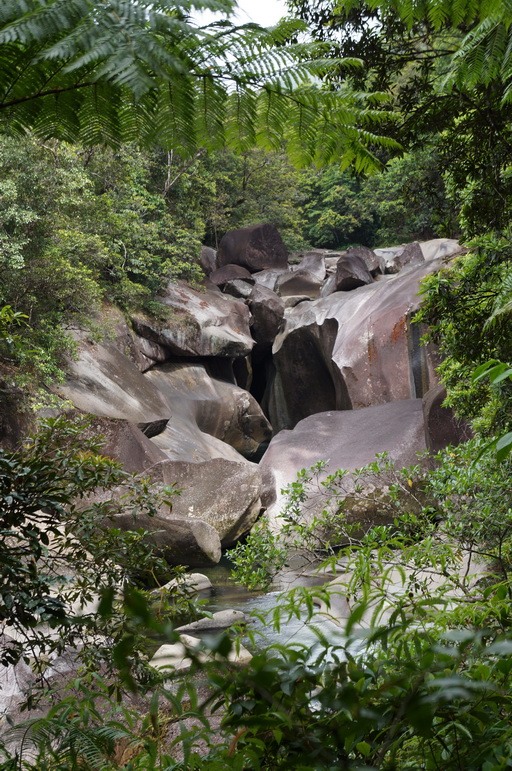
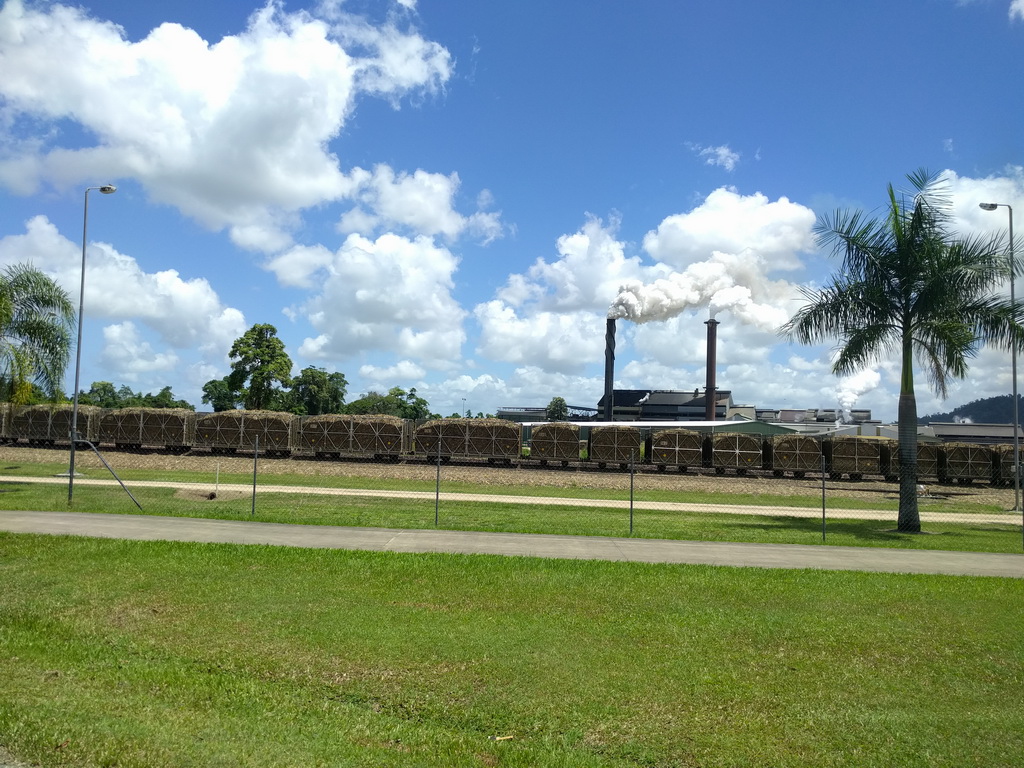
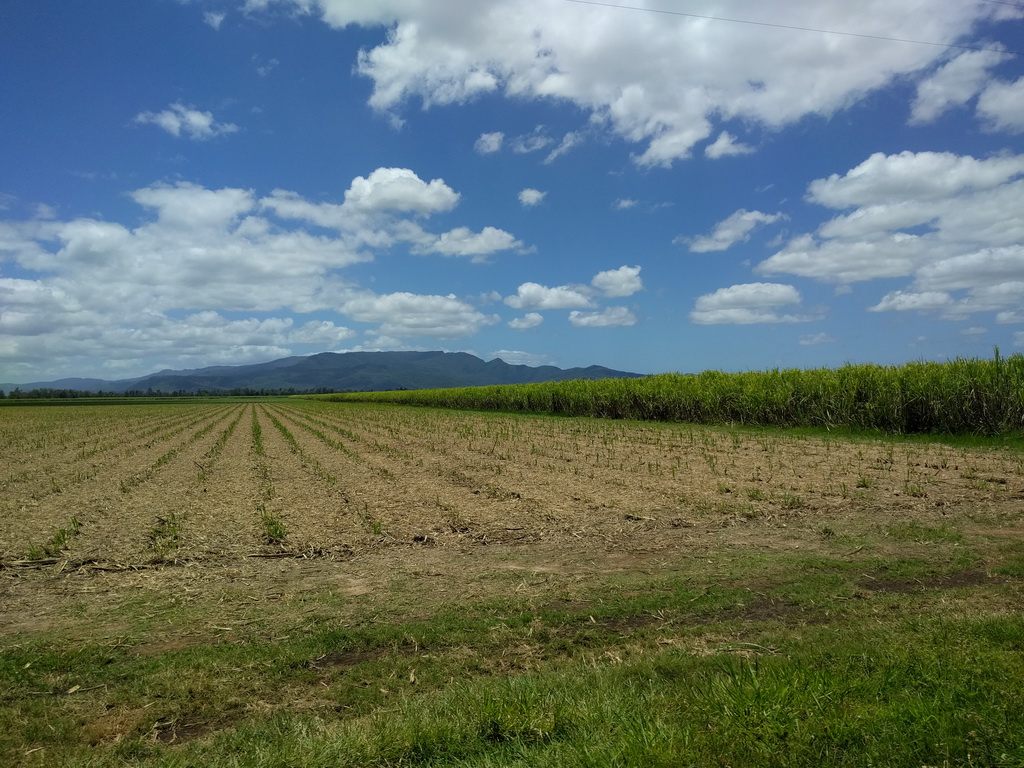
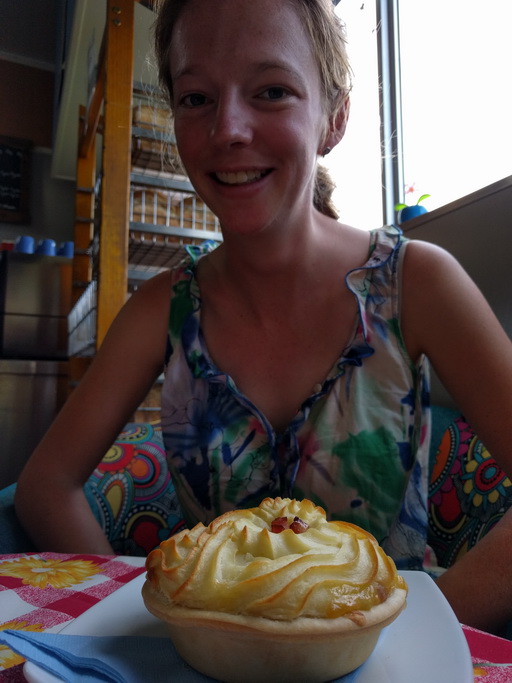
On leaving Cairns we were into new territory again making our way down the Bruce Highway through the endless sugar cane and banana fields. Our destination was Mission beach with a few side trips to waterfalls along the way. Our first falls were called ‘The Boulders’ located just west of Babinda. The water here has carved out the granite bedrock to create swirling patterns, deep holes and large boulders. On the way back into Babinda we got side tracked by the bakery where we had arguably the best pie of the trip, a glorious potato topped steak, bacon and cheese pie fresh out of the oven. We started reading the paper, catching up on what was happening in the world (the world of north Queensland) and before we knew it the morning was slipping away, and there were so many more waterfalls to see!
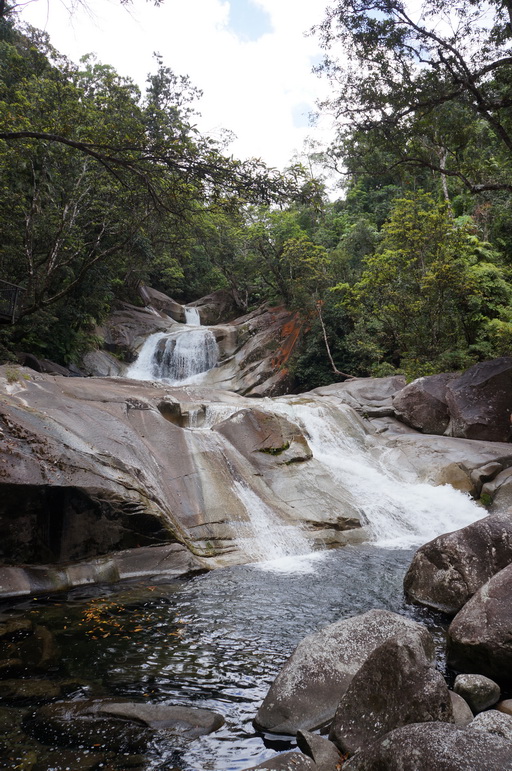
Next on the list was Josephine Falls. Luckily we got there right before two busloads of European backpackers arrived to take advantage of the natural waterslide, so we could take some photos with minimal human flesh in the frame. I’m beginning to think waterfalls in Australia are like churches in Europe, there are just too many to see, and they all morph into one big mass of falling water in your memory. Nevertheless, there is something about waterfalls which draws people to them.
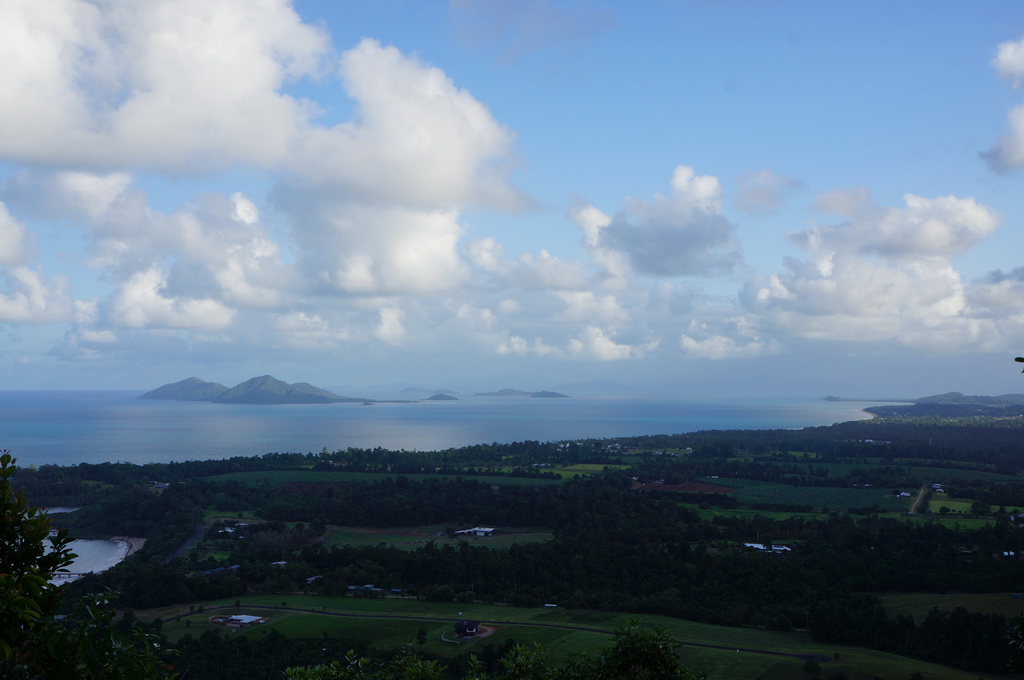
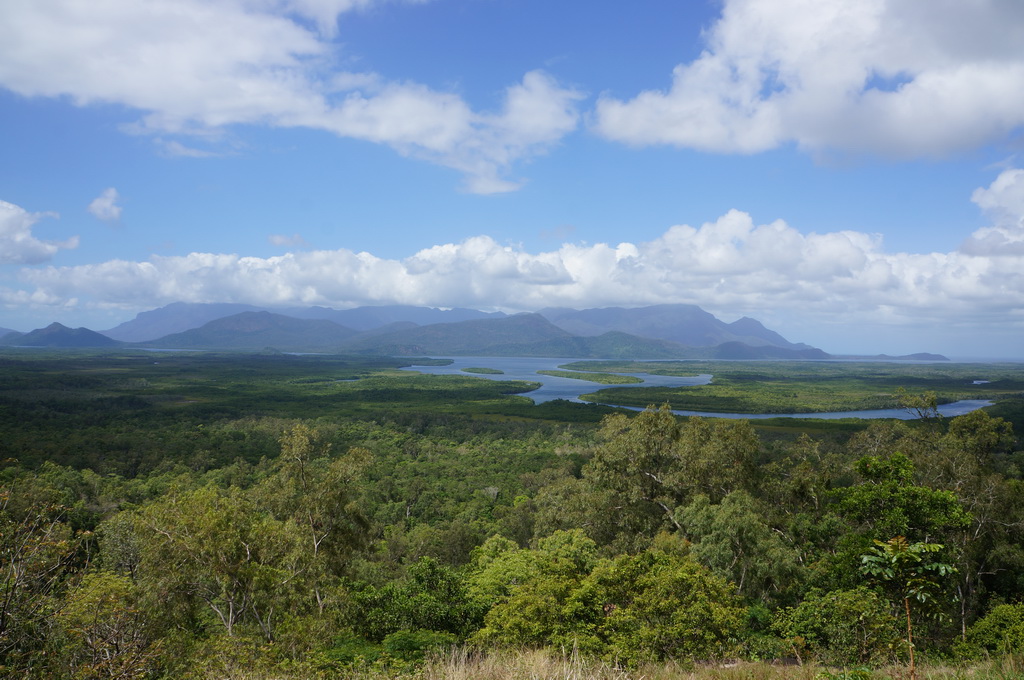
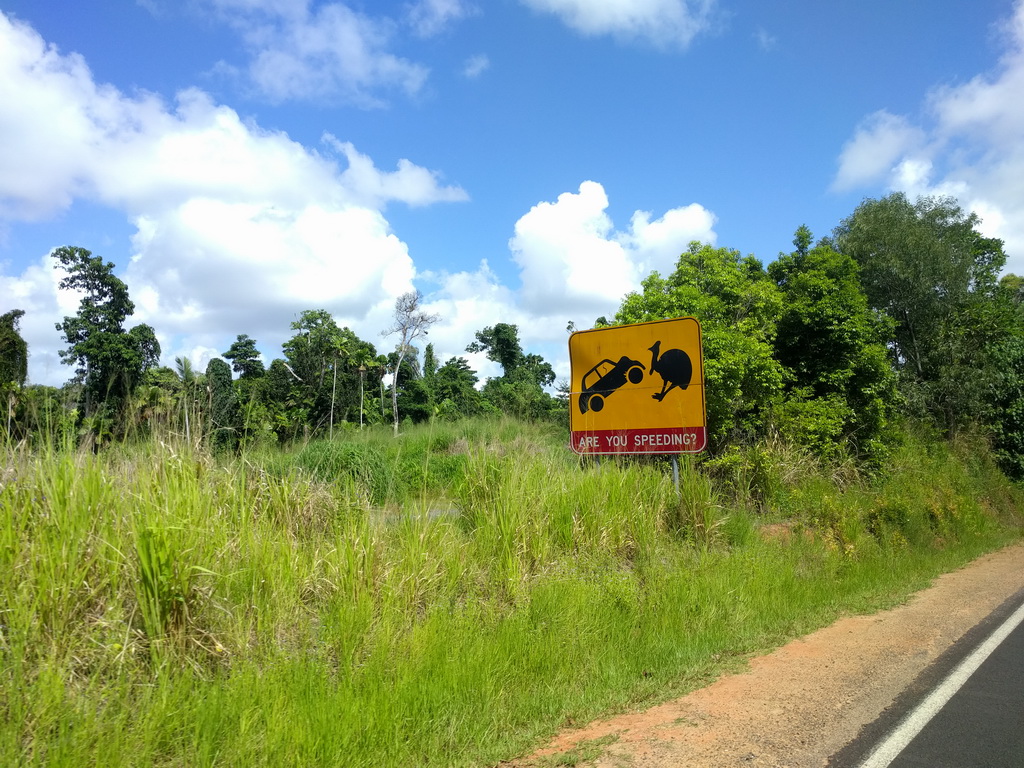
Mission beach is supposedly the hotspot for cassowary sightings, which we could believe given the number of road signs dedicated to educating the driving public on the road crossing habits of these strange birds, and what they could do to your car if you hit them. Sadly though we still didn’t manage a sighting, even after climbing up to the top of the lookout hill through the rain forest. The view was good though.
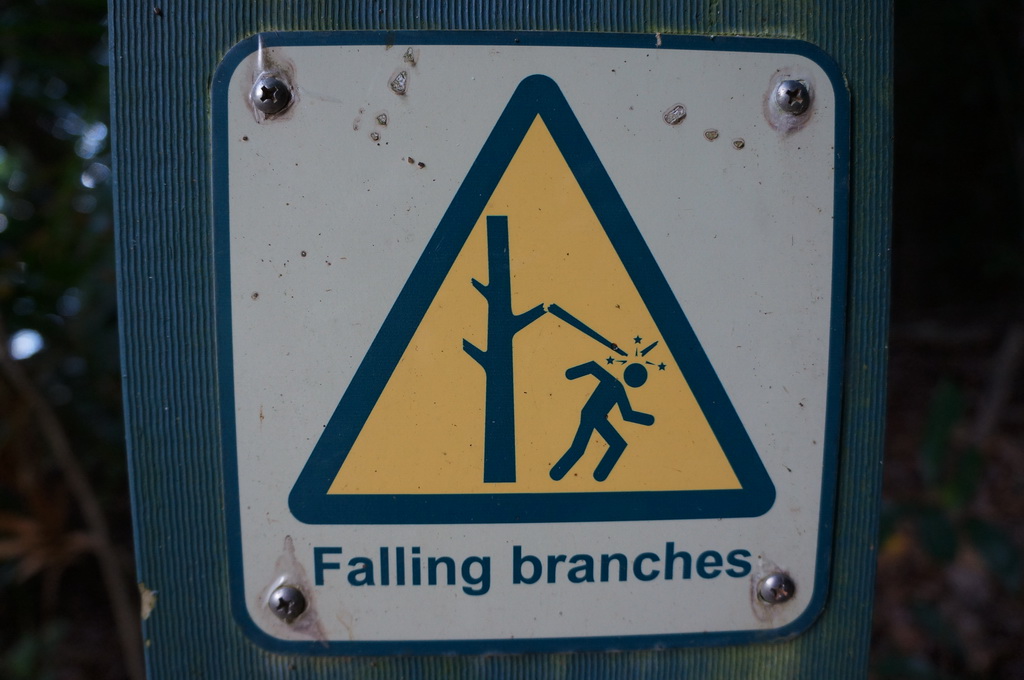
Side note, apparently the plants in Australia are out to get you too. There are plants whose leaves are covered in hairs, of which contain a small amount of neurotoxin which apparently can give a pretty nasty sting. Sometimes this may require urgent medical attention if someone reacts badly, and the symptoms can persist for a couple of months. We have now added that to the list of nasty Australian flora and fauna to avoid.
Mission beach also looked safe enough for us to go swimming in. We had been told that the nasty box jellyfish and marine stingers haven’t arrived yet, and croc numbers were low, what could possibly go wrong? This was the first swim in the ocean since Broome, and we couldn’t believe how warm the water was, it must have been 30 degrees plus.
We went for a quick 45km detour up to Tully gorge, just to check it out as we had wanted to go white water rafting up there, but the dam at the top wasn’t spilling water that week, so trips weren’t running. At the top of the gorge we found ourselves nerding out reading the information signs for the powerhouse and getting excited by the old school one-piece cast Pelton wheel on display. It was then down to Ingham and inland into the great dividing range to yet another waterfall, but this one was different.
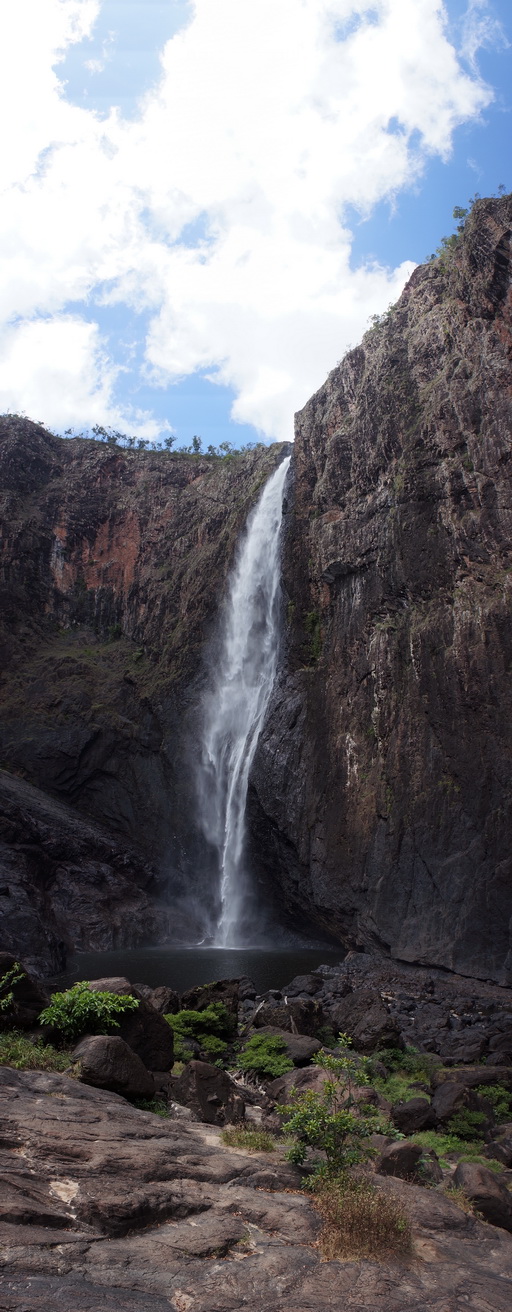
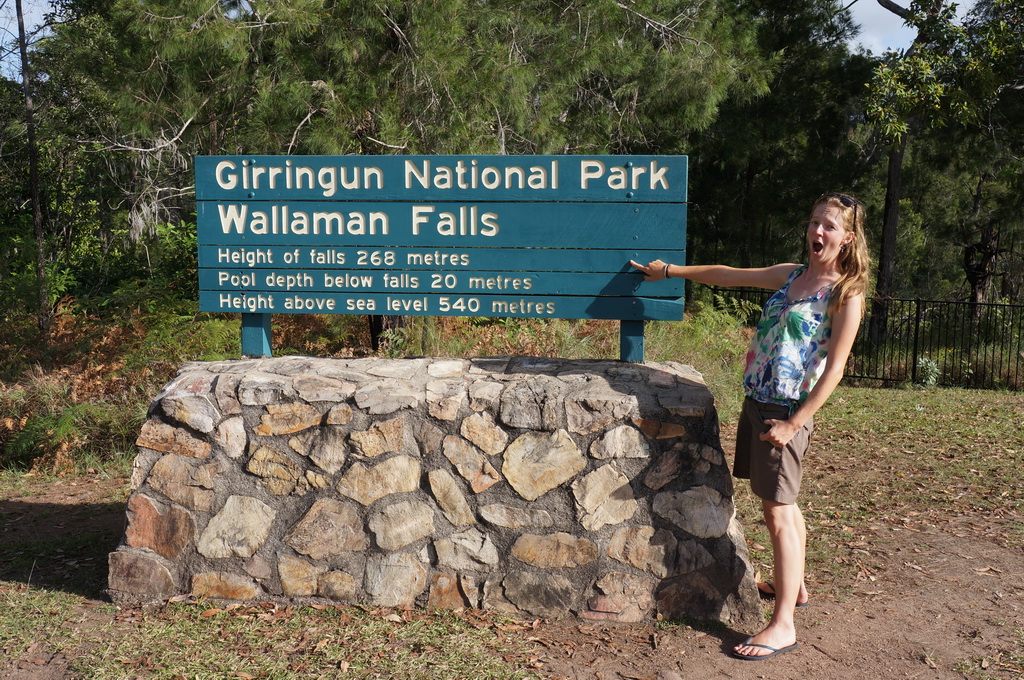
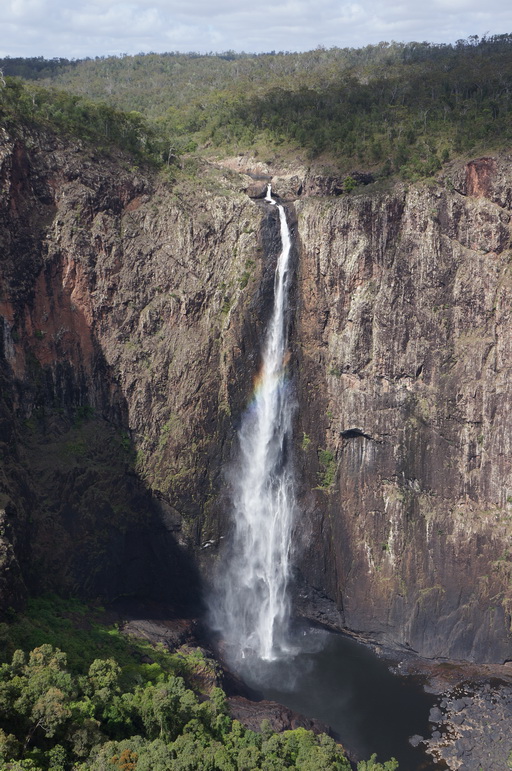
Wallaman falls was billed to us as “the highest single drop falls in Australia and the second highest in the southern hemisphere” by the info guy in Cairns. It certainly was impressive. With a total drop of 268m the relatively small flow of water mists as it falls creating a fine white expanding column reflecting the sun as a small rainbow segment as it falls to the gorge floor. The walk down to the bottom of the falls was worth it to stand next to the 20m deep pool and look up at the mist dropping, then running down the floor of the gorge, cascading over rocks. Being down the bottom gave a much better appreciation of the height of the waterfall. Even if we didn’t appreciate the height looking up from the bottom, we would have by the time we got back up to the top as the walking track virtually scales the gorge cliffs, and Estelle decided she was going to race up saying ‘If I stop; it’s all over”. We made it back up in record time.
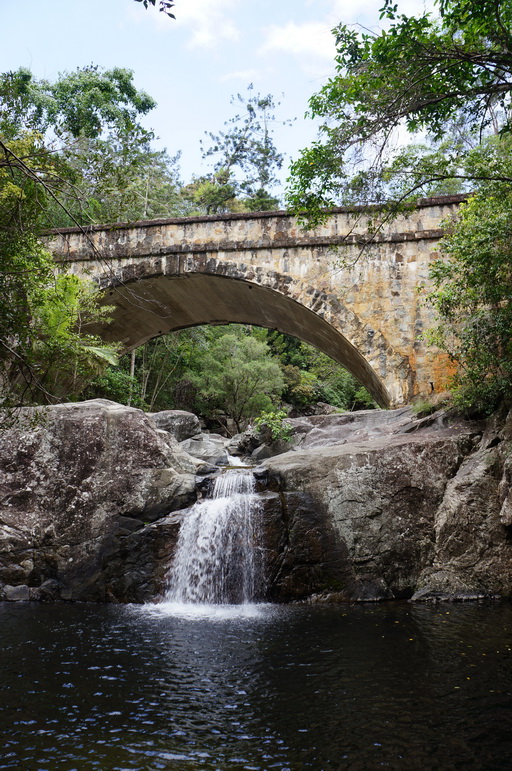
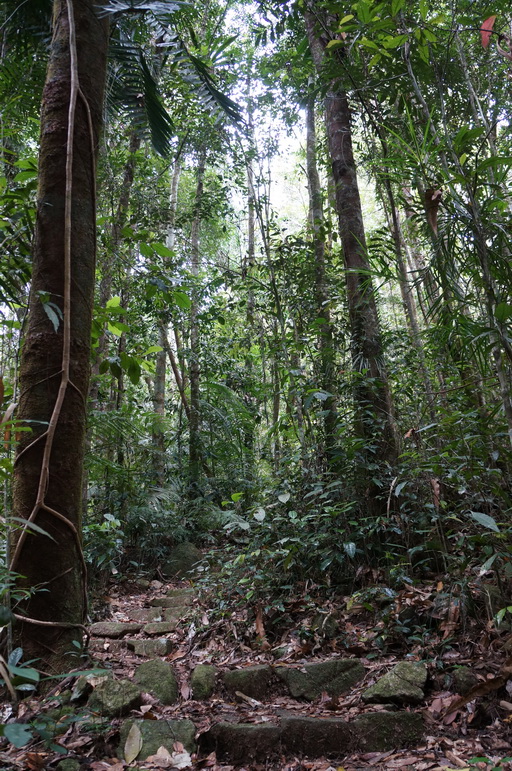
In keeping with the theme of the area we continued on to Jourama falls for another walk up to a lookout, but got out again before the waterholes at the bottom of the falls were taken over by a large group of teenagers; must be the weekend… so continued onto our campsite with a swim in the beautifully refreshing, and appropriately named Paradise Waterhole in Big Crystal Creek.
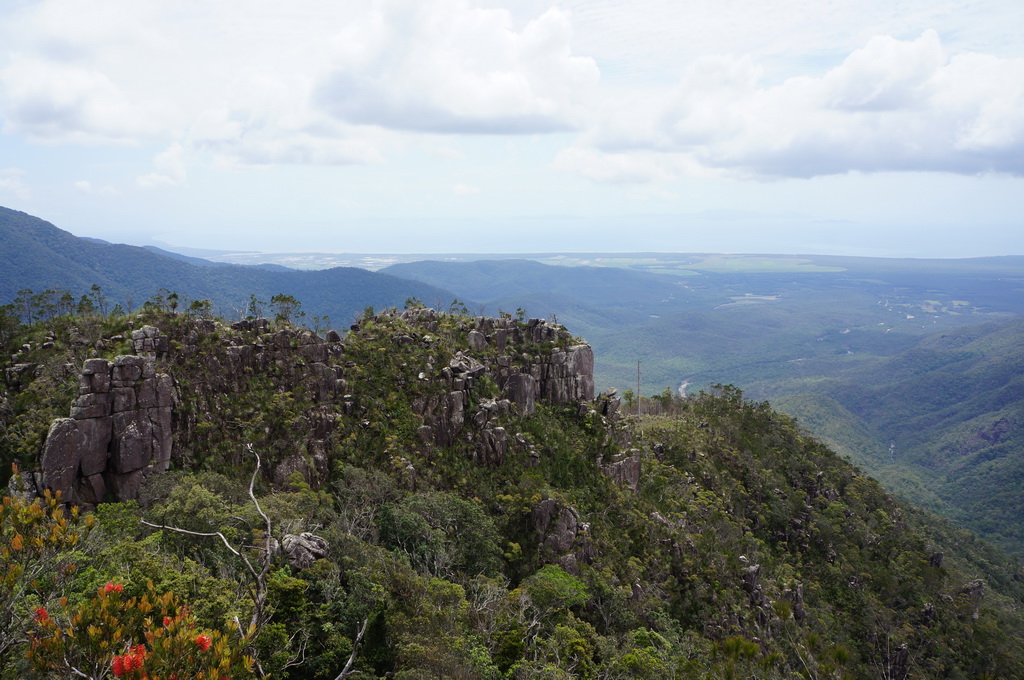
We had now found ourselves in Paluma National Park, and driving up a very narrow, steep and winding road up towards the township of Paluma. As with all roads like this, seemingly without a real purpose and in a random part of the world, it was built as a depression work initiative. Now, it attracts tourists from around the world to come drive its curves in unnecessarily large camper vans. On seeing us come towards them they will invariably slam on the brakes and stop right in the middle of the road, meaning I need to take evasive manoeuvres and try not to drive off a cliff. What fun. The walks out of Paluma to the lookouts were as good as any we had been on so far, expansive views off a rocky outcrop towards the beautiful east coast and its offshore islands.
It was another early start for us the next morning, having to get into Townsville to take the beast in for its last service, no suspense here, it was another expensive one. Another front wheel bearing had gone due to water ingress through the seal. Oh well, maybe this will be the last time?
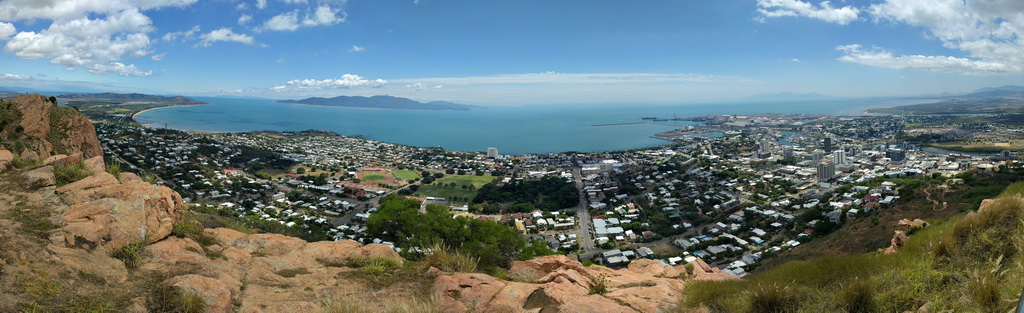
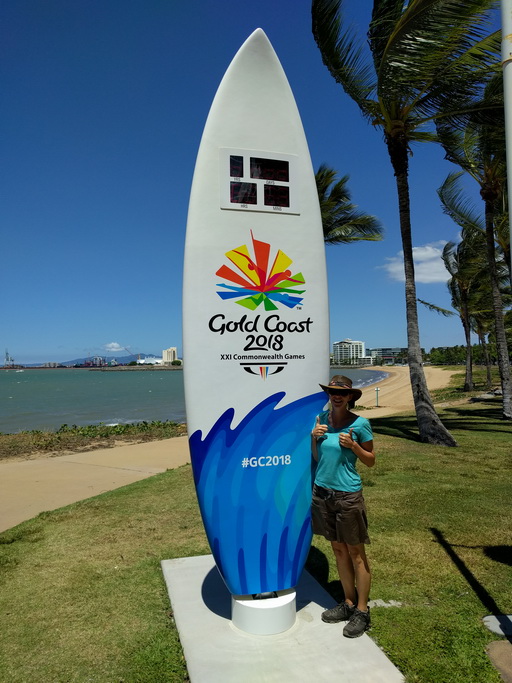
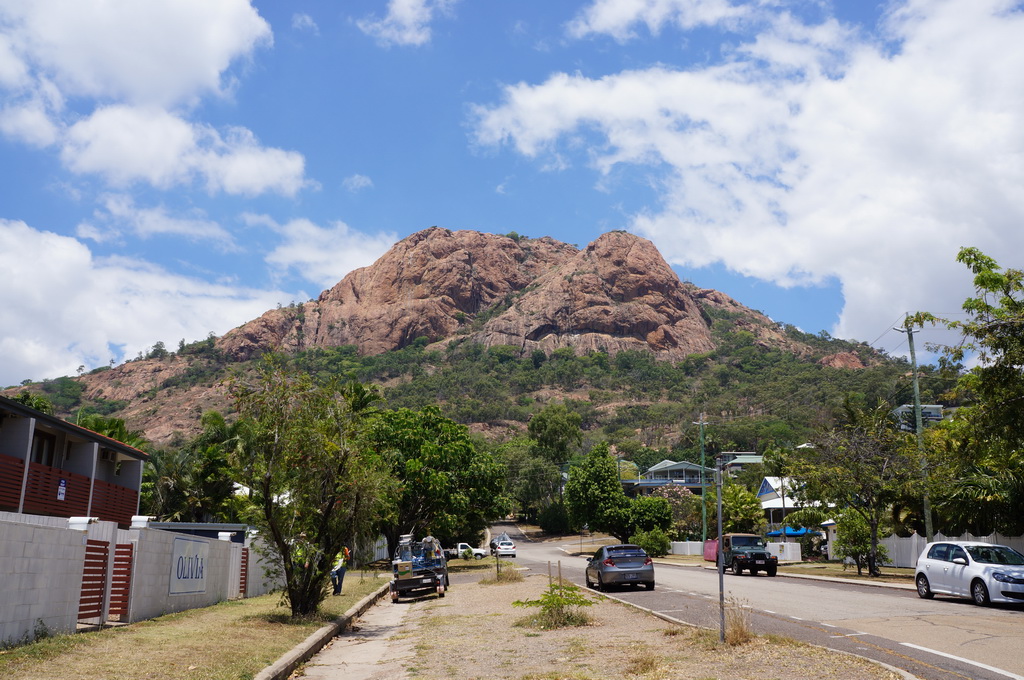
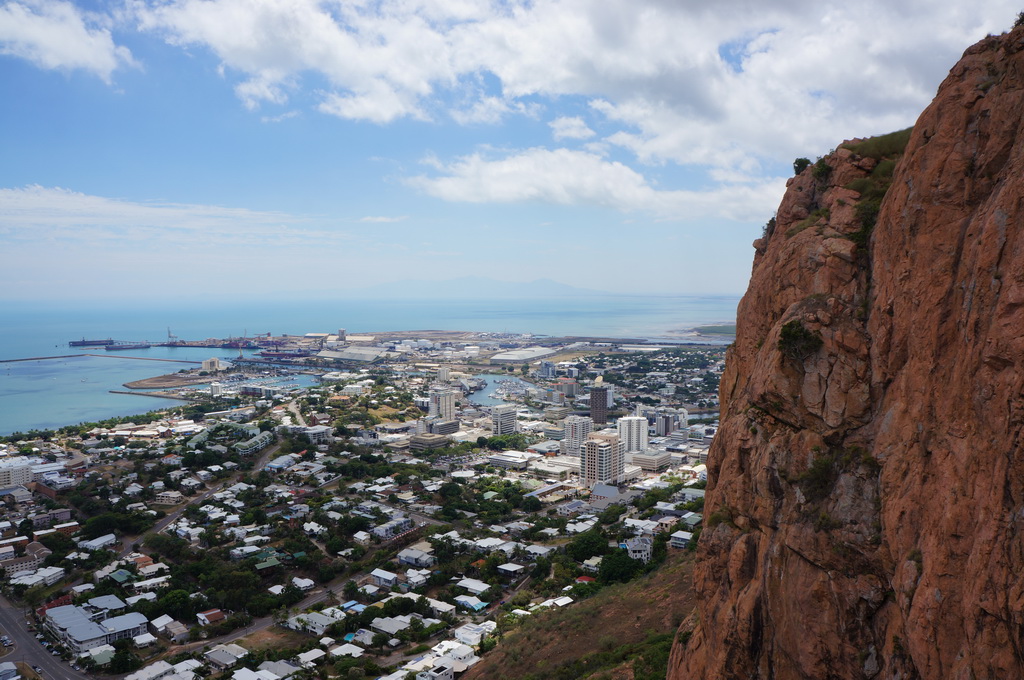
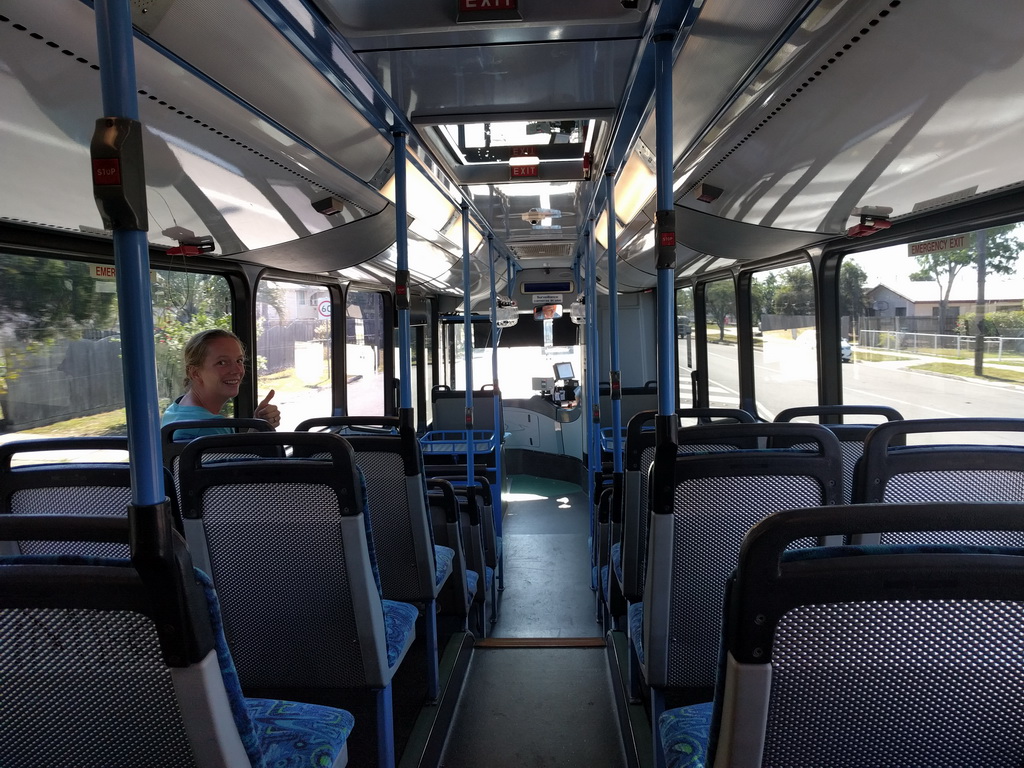
In the meantime we decided to have a go on the Townsville public transport system with all of the locals; all one of them, apparently this is a town where you drive your own car, and arrived in style at Castle Hill, the ‘almost’ mountain in the middle of the city (it’s a few meters short of being a mountain). We ended up going up the ‘goat track’ as the other tracks were all seemingly closed. That was a struggle, but well worth it for the amazing views from the top. Would have been easier to drive our car up there though. The rest of the day we spent wandering around the Townsville CBD and waterfront before public transporting it back to the industrial area to get our good news.
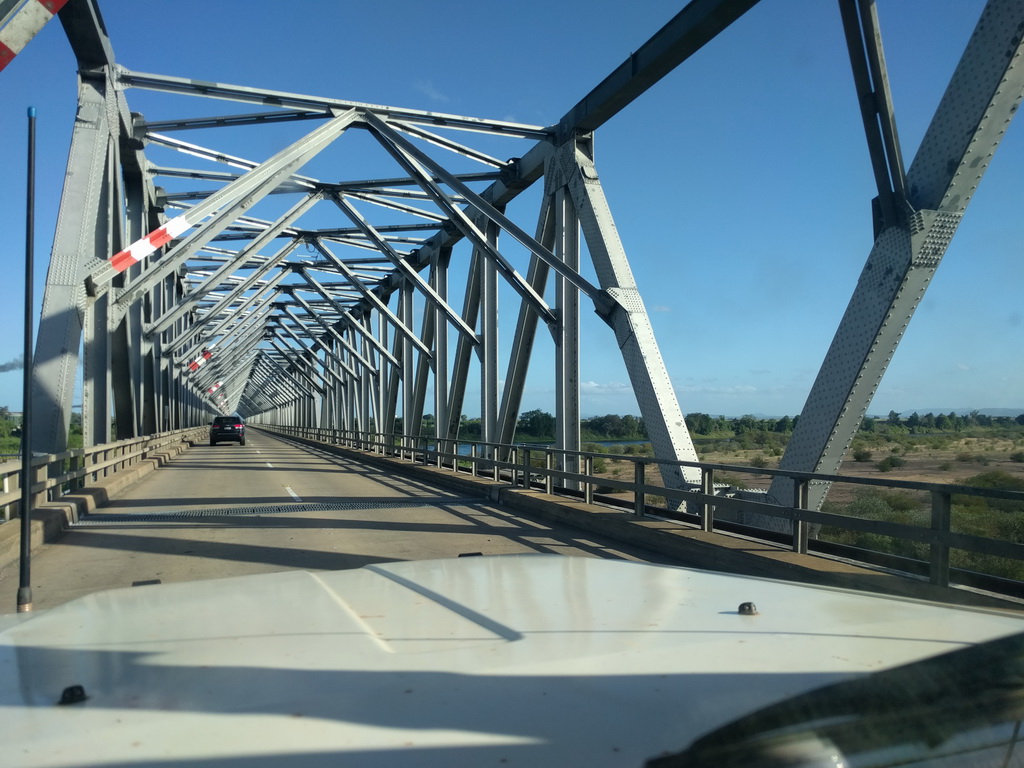
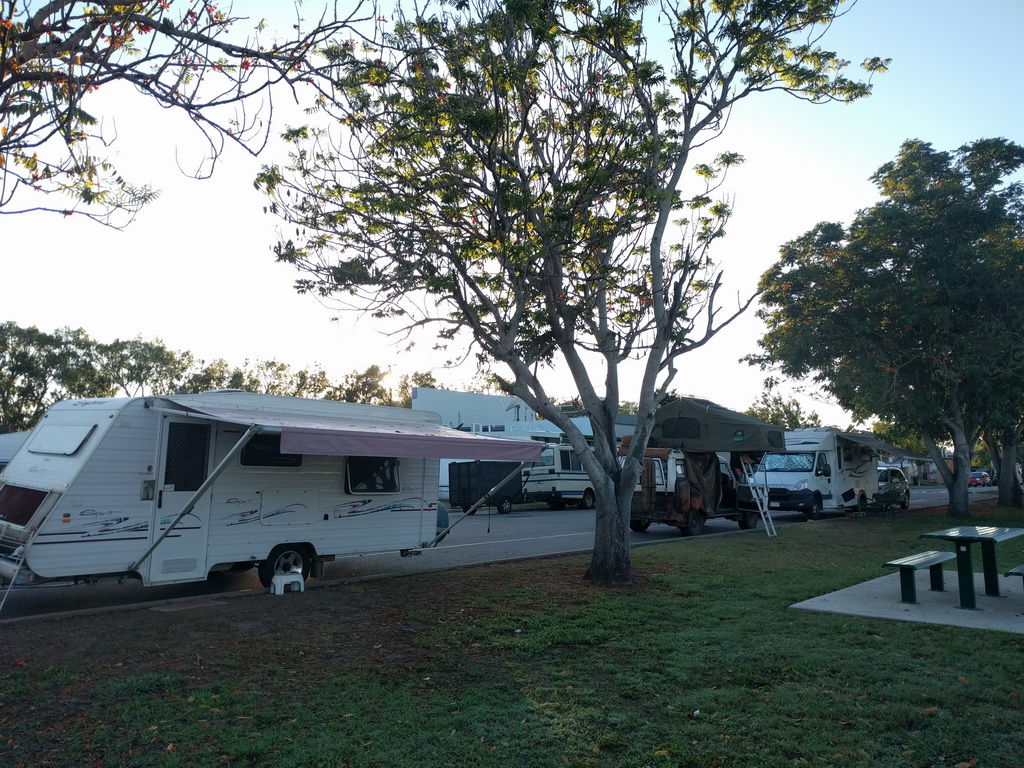
I’ll finish this post at the lovely little sugar farming town of Home Hill. This area is the last sugar cane farming area in Australia to light their sugar cane fields on fire before harvesting resulting in massive blazes lighting up the night sky at night and burnt sugar cane ash raining down on the township known as Burdekin Snow (Burdekin being the local shire). Home Hill is also good enough to give up one of its streets to travellers to park on and camp for 48 hours for free. It was only a matter of time until we ended up sleeping on the side of the road I suppose.
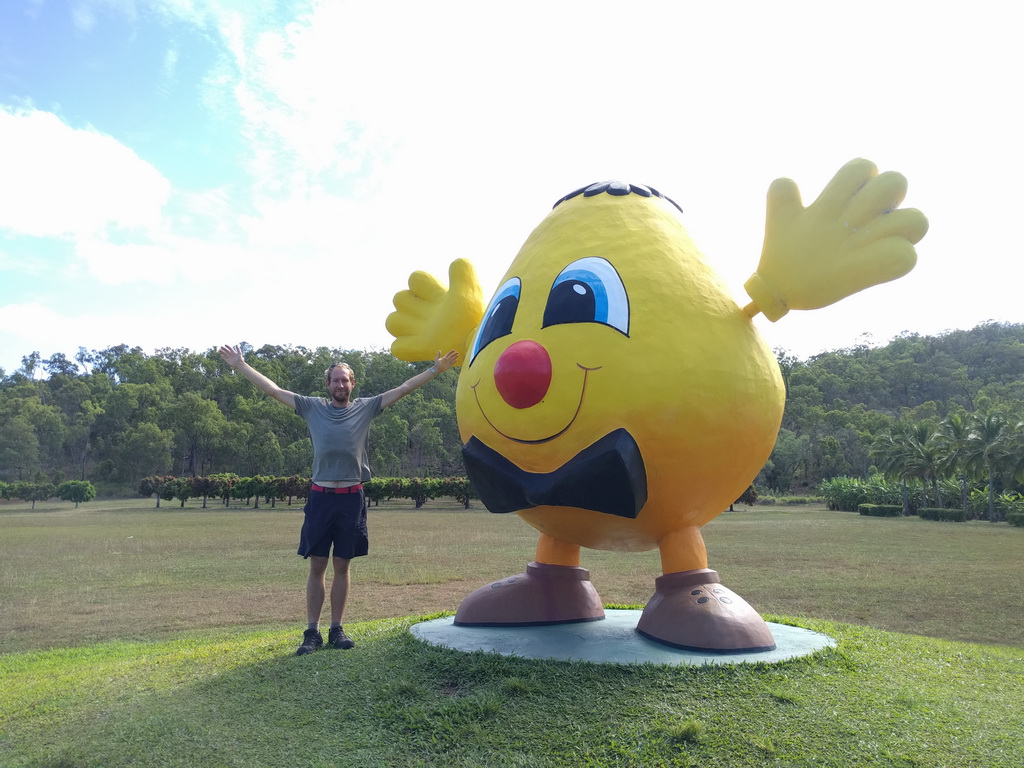
Oh, and we never did get to see a Cassowary, aparently they look something like this:

M