The North Flinders Ranges to Arkaroola
25 – 28 May
North of the Flinders Ranges, believe it or not, are the northern Flinders Ranges, also known as the Gammon Ranges National Park and Arkaroola Wilderness Sanctuary. We had skipped this area on our last trip through the outback as it was quite far out of the way and a little difficult to plan for. This time however we have all the time in the world, so armed again with two spare tyres and a full fridge we headed back out along the dirt roads from Copley into what felt more like the Outback, somewhat cautiously as to not have another tyre incident.
Our first stop, as always, was the ranger’s station to sort out the weather, best drives, walks and camp sites in the area. Suitably stocked with information we headed along the 40km road out to Lake Frome. Lake Frome is a salt lake east of the northern Flinders ranges which dried up 7-10 thousand years ago. Much like the other salt lakes in the area it has a thin salt crust over a soft clay subsurface, a quick walk out on the lake until the rain set in, and we were back in our vehicle. On the way back, it seemed that all of the wildlife in the park was camped out on the road, and didn’t want to leave it. Particularly a group of Emus which were mostly on our side of the fence running along the road and one on the other, the group didn’t want to separate, so just ran along in front of us for about 10km until the road veered away from the fence.
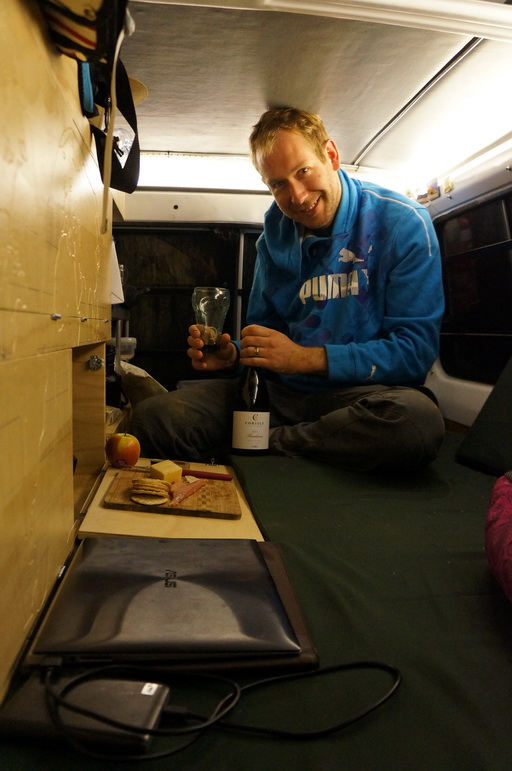
That night it rained, it rained consistently, we we decided to try out the space in the back of the vehicle. It was a little cramped, but perfectly adequate to enjoy a bit of smoked trout with a bottle of wine and some TV on the laptop.




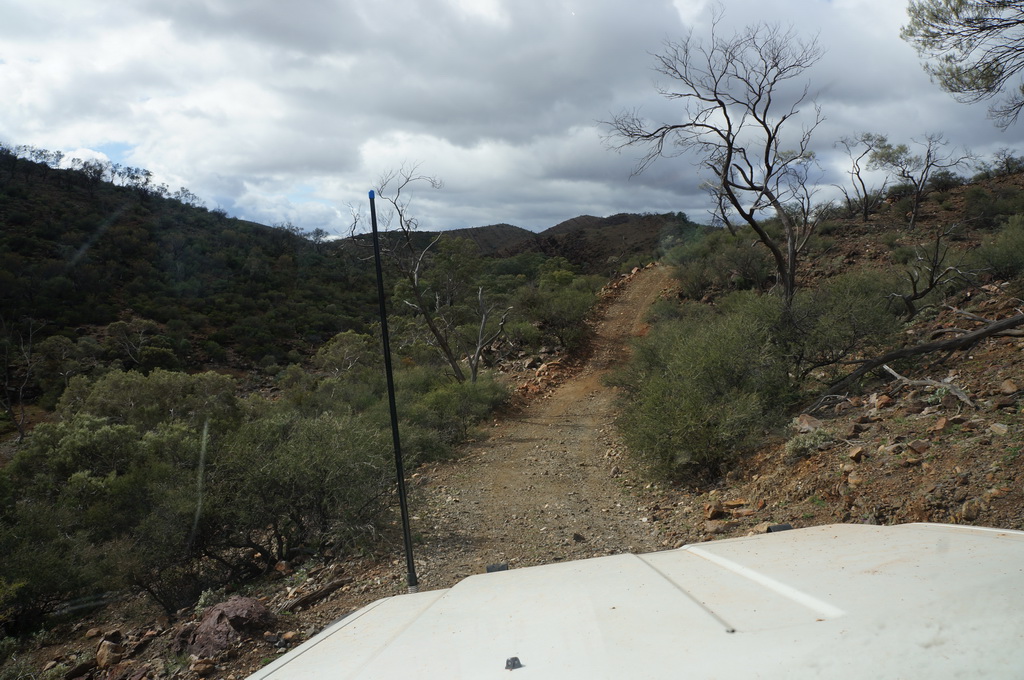
The next day it was about time we tried out the 4WD capabilities of our rig. This started with the supposedly 2WD road out of the camp site to the main road. It was made up of red clay, which in the dry is a great hard surface, but in the wet turns to something worse than mud, within a couple of meters the wheels are caked in the stuff and you are slowly drifting sideways. fun start to the day. In the park is a 40km 4WD loop around one of the ridges. Complete with steep climbs, descents and sections where we were sure we were going to roll our high centre of gravity vehicle, but we made it to the other end, and our campsite ok, having decided we did have at least a reasonably capable 4WD. Our stress levels were such that there are very few photos of this part of our journey…
The road north to Arkaroola Village was more of the same, with a few less hairy moments. It was interesting running into a Dutch couple coming in the other direction in their Hilux camper van, absolutely loving it. It was quite a fun drive.
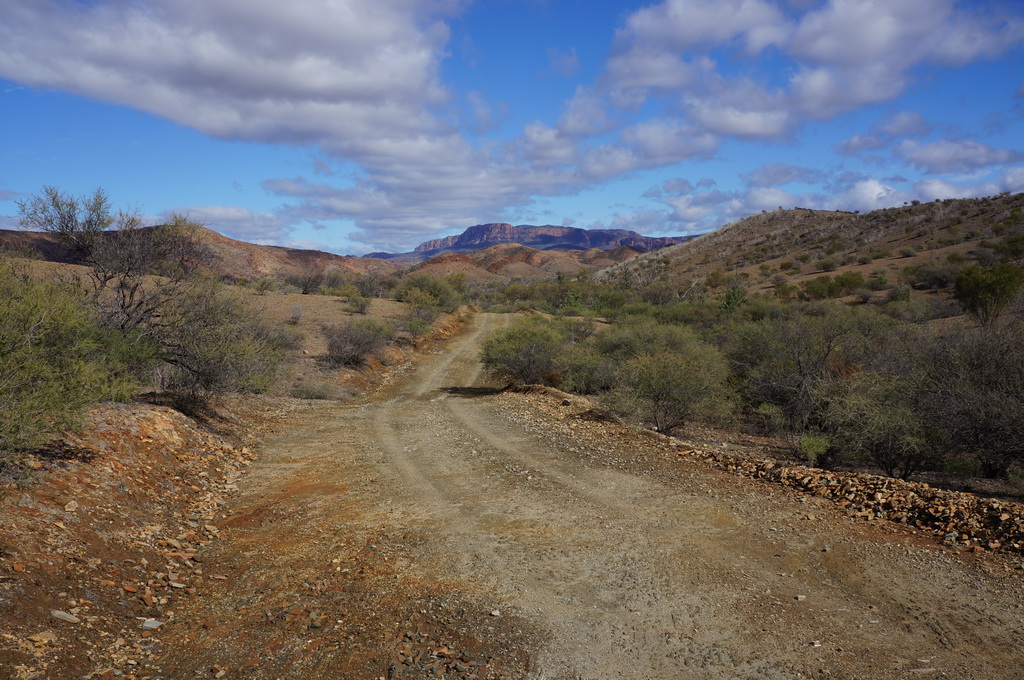
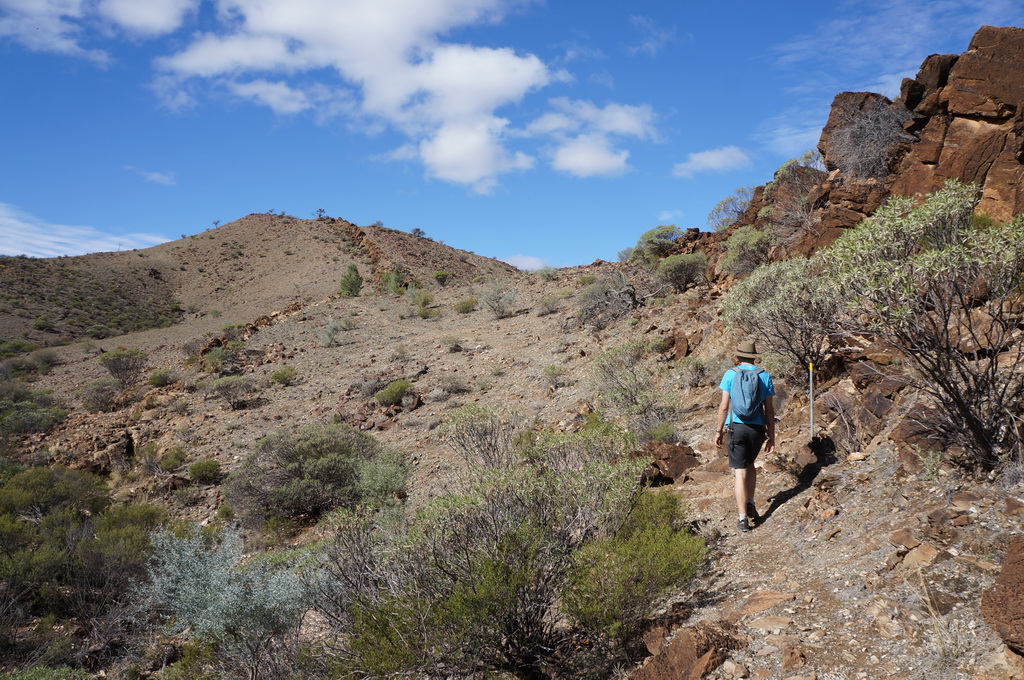
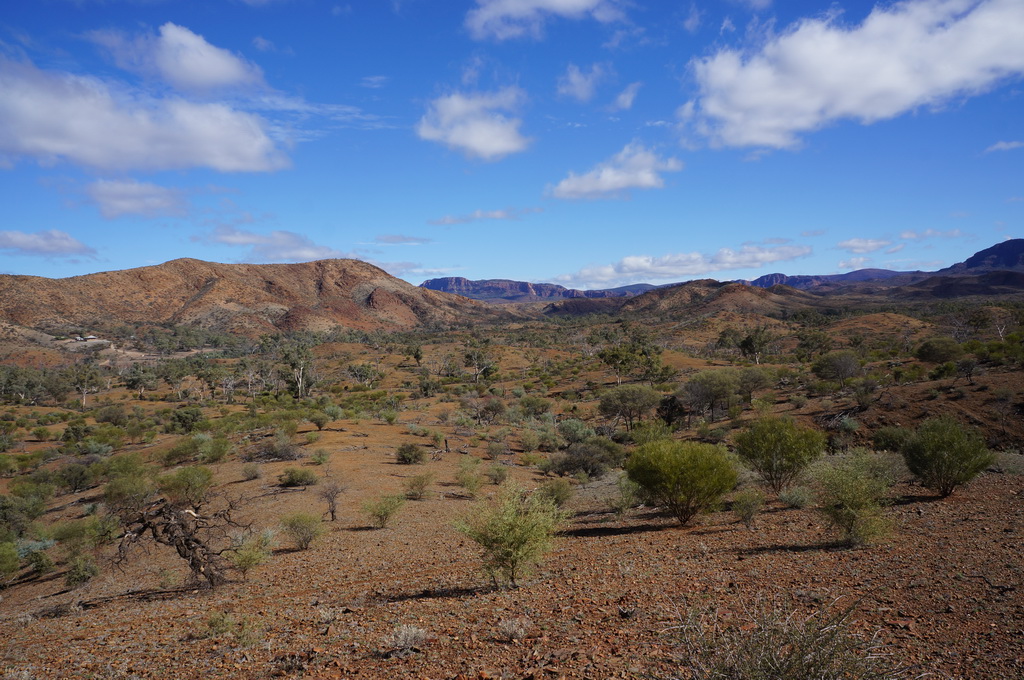
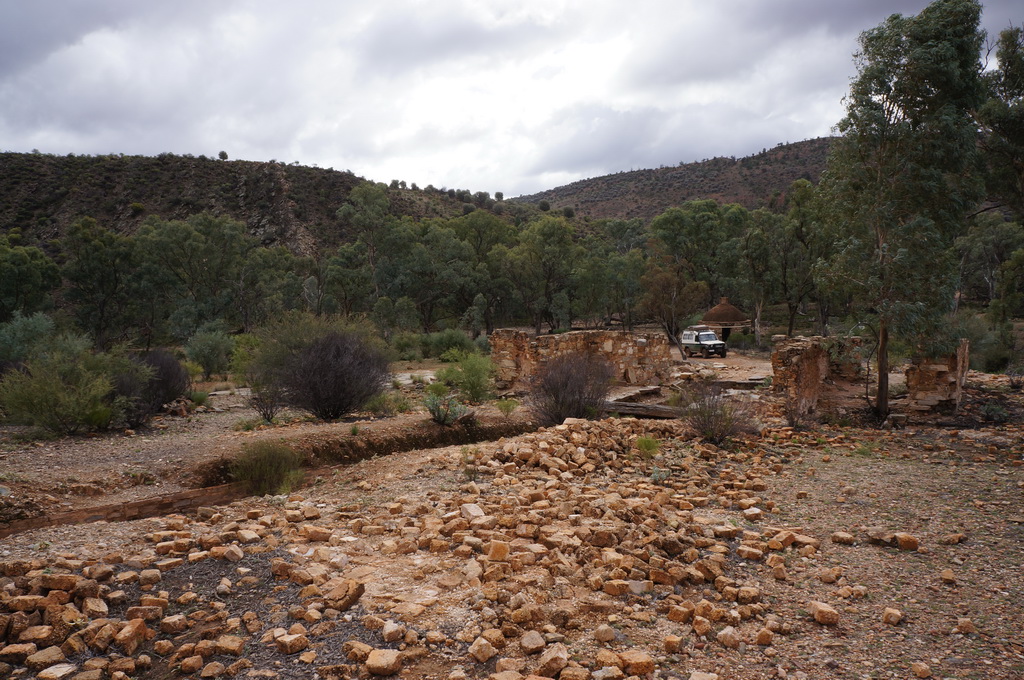
Arkaroola Village and its associated Wilderness Sanctuary was set up in the 70’s on what used to be a pastoral lease. The geology however doesn’t really lend itself to mustering sheep, so after years of trying that, along with mining for copper, Uranium, and drilling geothermal wells it has been set up quite well as a tourist destination. The thing to do is their Ridge top tour, but us feeling poor, and having experienced plenty of 4 wheel driving, we opted to see the country side on foot for the next couple of days, which was amazing.
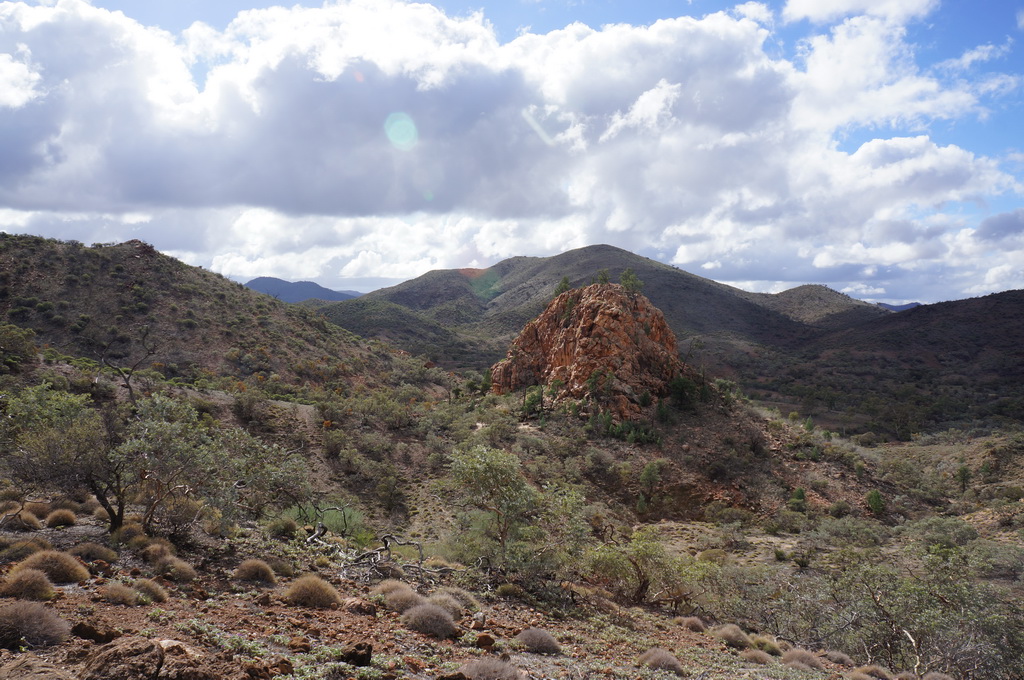
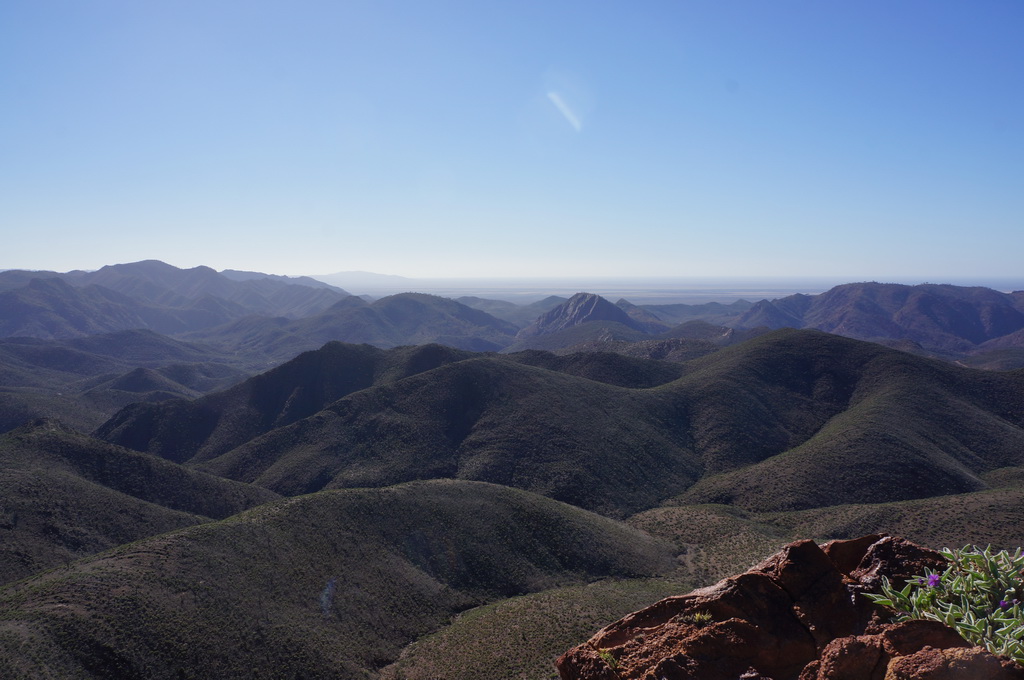
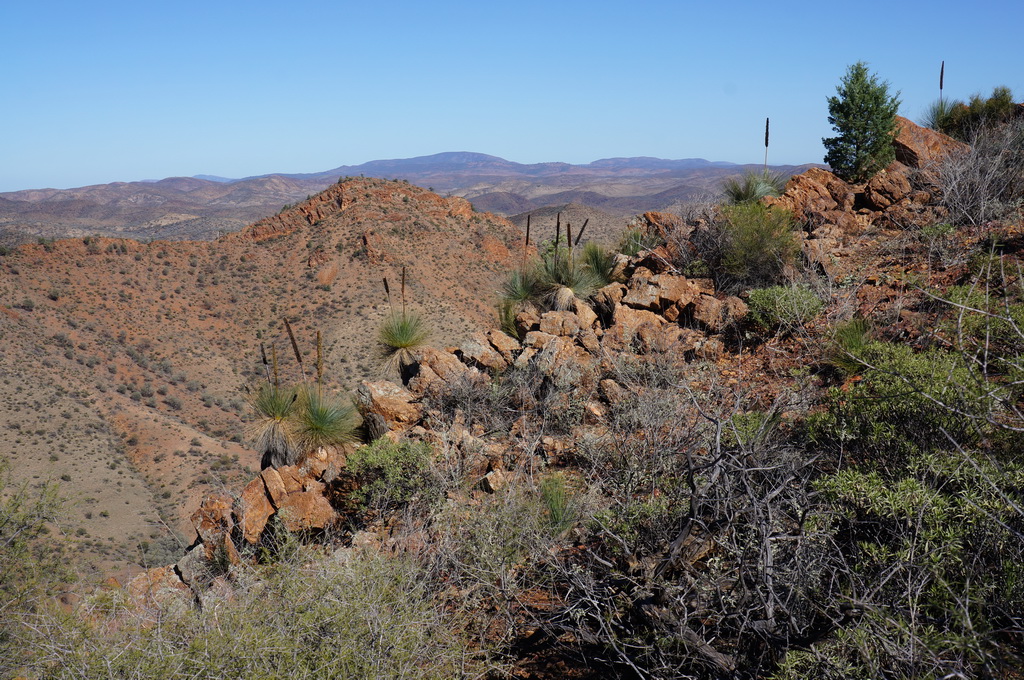
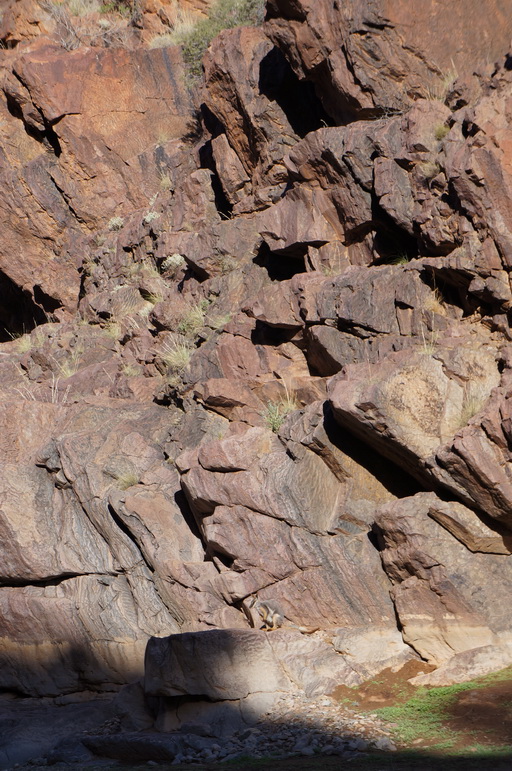
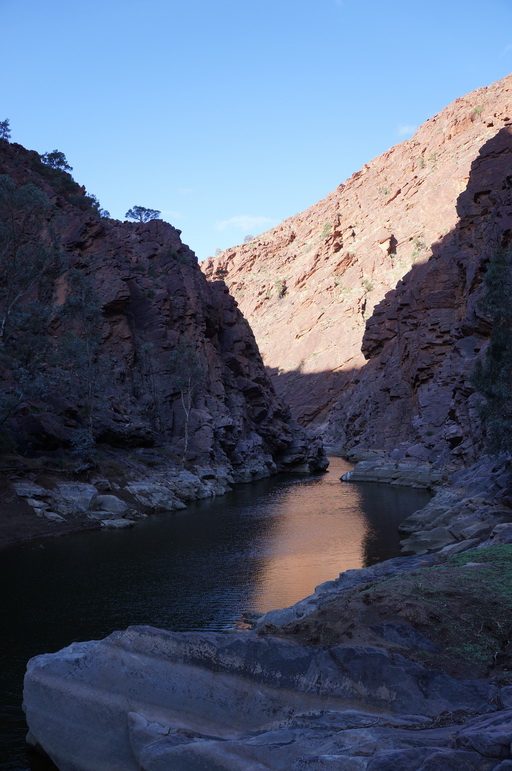
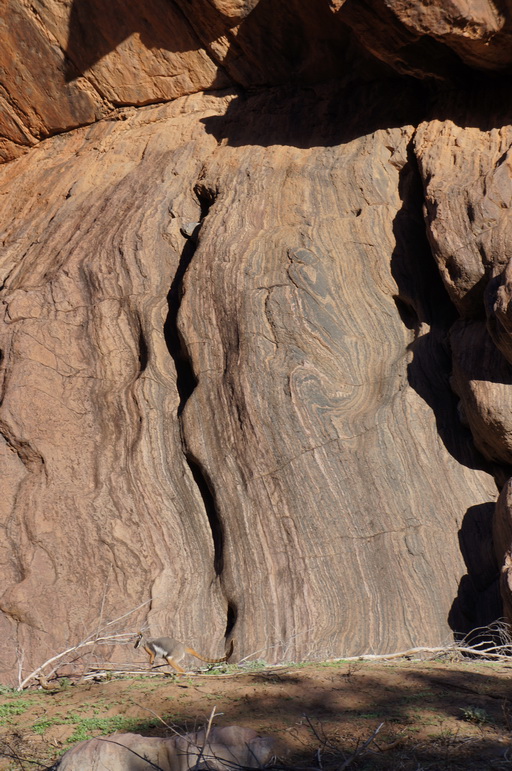
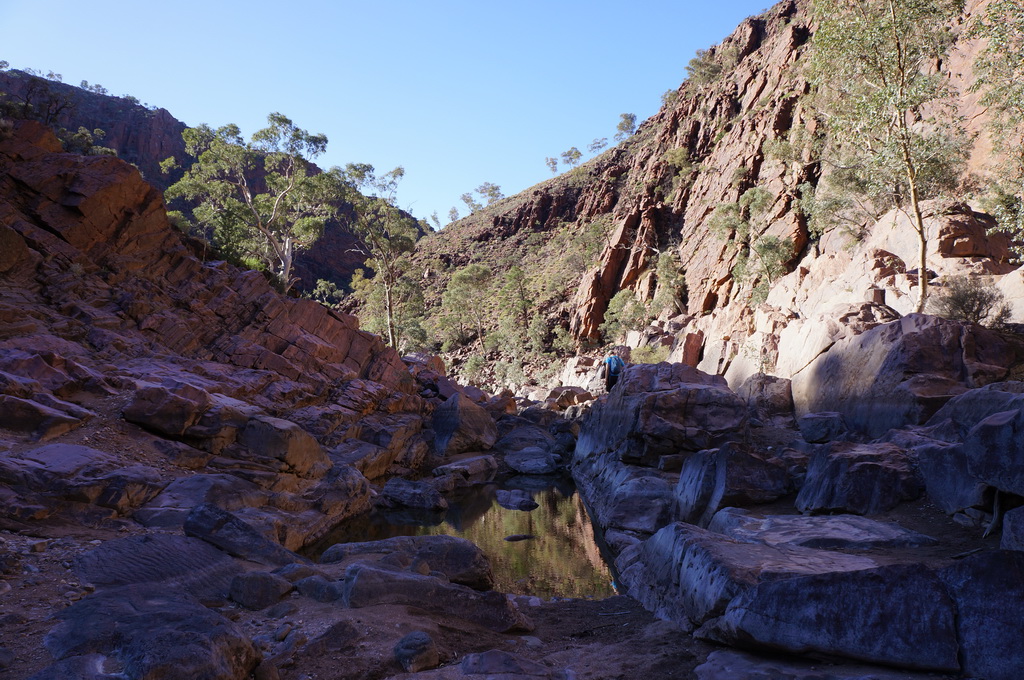
The two stand out walks were the Acacia Ridge Walk and the Barraranna Gorge Walk. The ridge walk ran above the road and looked out north towards the older ridges. In this area the age of the rocks range from 800 million to 1.6 billion years. It gave a great overview of the area. In the afternoon the Barraranna walk traversed through some of the complex geology in the area, with posts and signs explaining what was happening in the different areas, and telling us what to look out for; faults; spotted schist; ripples in the rocks created by shallow seas billions of years ago. It was absolutely fascinating. The other highlight of the Barraranna walk was the gorge which winds its way off the main track for about a kilometer till you find a permanent deep waterhole tucked in a very narrow section with steep cliffs. We counted six different rock wallabies on our walk which was really special.

Twice we tried to go on their Astronomy tour where you get to go look at one of their 14” telescopes and look into some of the clearest skies in the world, unfortunately, right on cue both nights the clouds rolled in from the west and spoiled the fun. Apparently not the clearest skies in the world when we’re around! To make up for it we ordered desert from the restaurant and tried to decipher the geological map of the area on the wall. We could really get into this geology thing :p
M